
Member Profile – Post-Merger
Company A and Company B were both global leaders in the packaging industry, each with decades of history and a strong reputation in their respective product niches.
- Revenue: Together, the two organizations generated more than $25 billion in annual revenue, placing the combined entity among the very largest packaging companies worldwide.
- Geographic Footprint: Between them, they operated nearly 400 manufacturing facilities and offices across more than 40 countries, giving them an unparalleled global reach and customer base that included consumer goods, food and beverage, and healthcare companies.
- Employees: The combined workforce exceeded 60,000 employees, ranging from plant operators and engineers to sales teams and R&D specialists.
- Product Breadth: Company A specialized in flexible packaging and films, while Company B was recognized as a leader in rigid containers, closures, and healthcare packaging. Together, their portfolios covered nearly every corner of the consumer and healthcare packaging landscape.
This merger represented not just a union of scale but also a tremendous integration challenge. With operations on every continent, multiple overlapping supplier relationships, and thousands of unique SKUs in play, the need for procurement harmonization was immense.
Post-Merger Spend Challenges
Despite their new size, the merged company faced a classic integration problem: fragmented procurement. Each side brought its own supplier networks, inconsistent pricing agreements, and redundant SKUs. The lack of harmonization meant missed opportunities to capitalize on their larger purchasing volume.
Leadership knew that without a unified sourcing strategy, they would struggle to unlock the full financial potential of the merger.

How PA Helped
Procure Analytics’ GPO stepped into this scenario to align and aggregate the entity’s procurement spend. PA consolidated fragmented contracts into competitively bid agreements across both flexible and rigid packaging categories. The approach included standardizing SKUs, streamlining the supplier base, and providing deep spend analytics, delivering real-time transparency into cost drivers.
This enabled dynamic repricing, supplier rationalization, and best-practice sharing across global teams—unlocking efficiency and scale at the enterprise level.
Results
Within the first year, the merged company achieved savings of nearly 20% across major indirect categories like MRO, safety, packaging materials, and janitorial supplies. Beyond cost reduction, they reduced administrative burden through supplier consolidation and gained clearer visibility into enterprise-wide spend.
These efficiencies allowed the organization to reinvest savings into R&D and innovation while accelerating progress toward its broader integration goals.
Additional M&A Resources

Procurement’s Secret Weapon: GPOs in M&A Integration
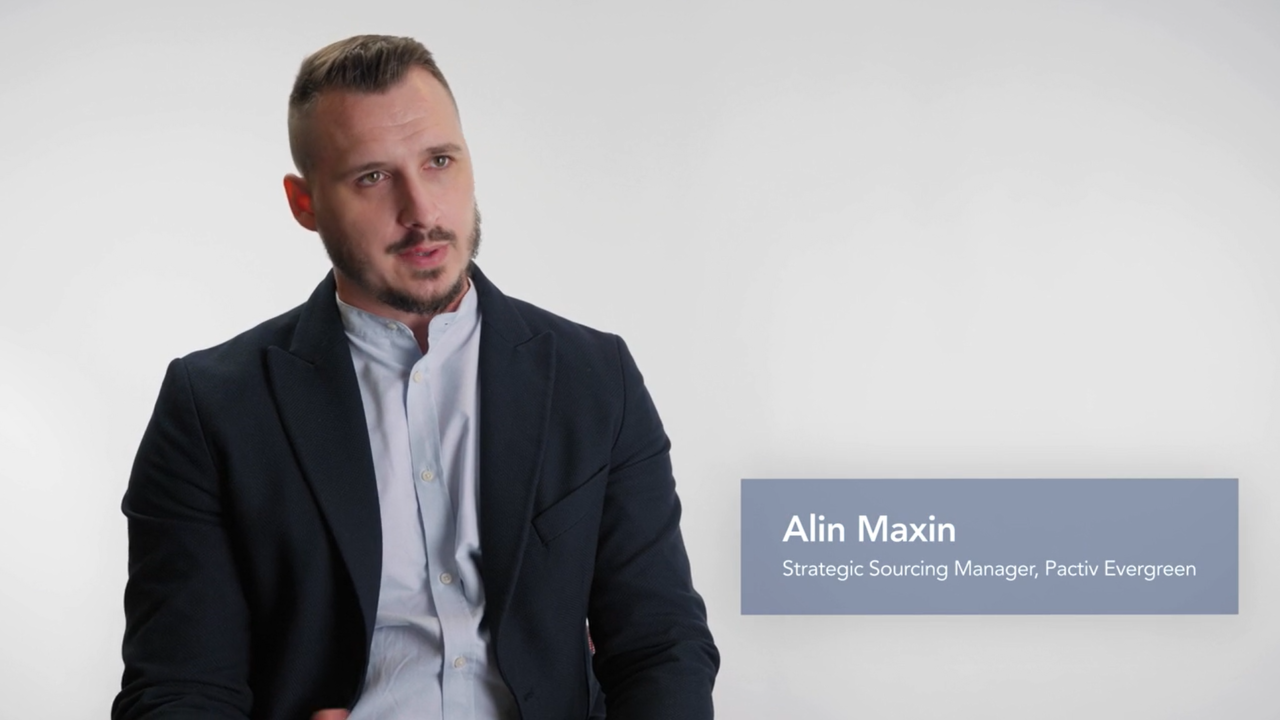
Alin Maxin, Sourcing Lead at Pactiv Evergreen
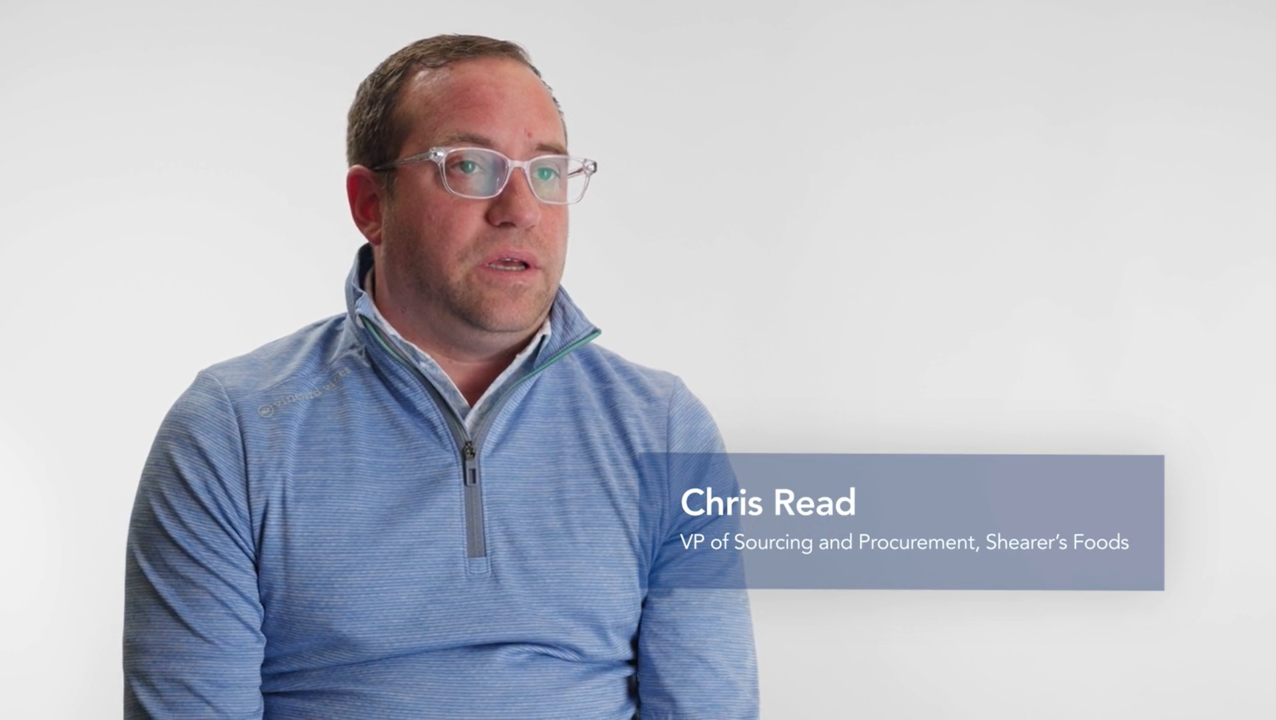
Chris Read, CPO at Shearer’s Foods

NEED TO DRIVE POST-M&A PROCUREMENT SYNERGY CAPTURE?
Reach out to us to learn more about our Indirect Spend GPO programs.
- CATEGORIES
- Packaging